Dental Bridges

Missing teeth can affect more than just your smile. They can make it harder to chew comfortably, speak clearly, and feel confident in everyday life. If you have one or several missing teeth in a row, you may notice changes in how your bite feels, how your face looks, or how comfortable you feel smiling in photos or social settings.

The good news is that you do not have to live with these challenges. Dental bridges offer a reliable, natural-looking solution that restores both the function and appearance of your smile. If you are ready to restore your smile, learn more about dental bridges below or contact DeStefano Dentistry today to schedule your appointment.

A Better Bridge Experience

At DeStefano Dentistry, Dr. DeStefano provides custom dental bridges in a modern, compassionate office designed with patient comfort in mind. We believe dental care should feel both professional and welcoming, and we strive to create a relaxed environment for patients of all ages.

Our team combines advanced technology with a personalized approach so every restoration looks natural, feels comfortable, and supports your long-term oral health.

What Is a Dental Bridge?

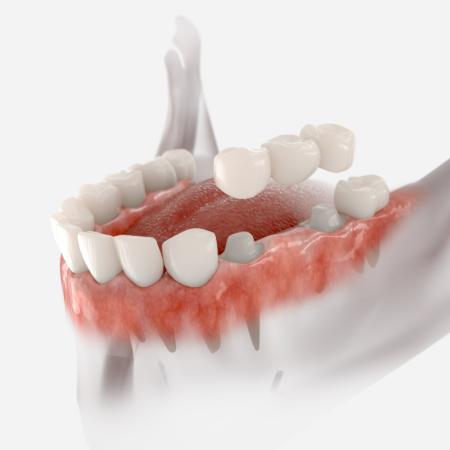
The bridge consists of artificial teeth, called pontics, that are anchored in place by neighboring teeth or dental implants. These support structures hold the bridge securely so it functions much like natural teeth.

Beyond improving appearance, dental bridges restore important oral functions. They help maintain proper bite alignment, prevent remaining teeth from shifting, support facial structure, and allow you to chew and speak more comfortably. Replacing missing teeth also reduces strain on surrounding teeth and helps protect long-term oral health.

Dental bridge

Types of Dental Bridges We Offer

Every smile is unique, and there is no single solution that fits every patient. That is why DeStefano Dentistry offers both traditional dental bridges and implant-supported bridges. Dr. DeStefano will help you choose the best option based on your oral health, number of missing teeth, and long-term goals.
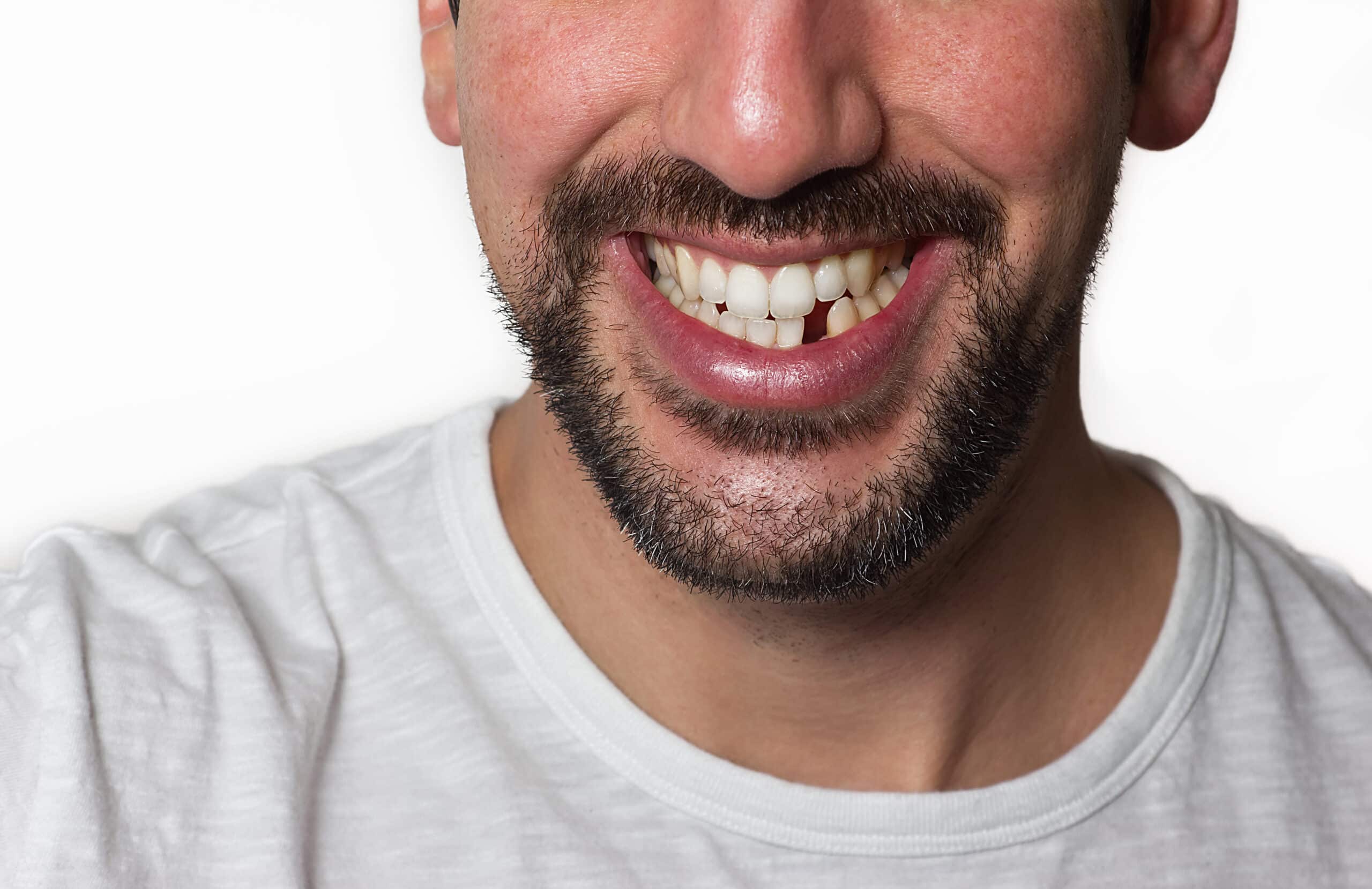
Traditional dental bridges use your natural teeth as support. The teeth on each side of the missing space are reshaped so dental crowns can be placed over them. These crowns hold the bridge in place while artificial teeth fill the gap between them.

Traditional bridges are commonly used to replace 1–3 missing teeth and work best when the surrounding teeth are strong and healthy enough to support the restoration.

Benefits of Traditional Bridges

  • A reliable and time-tested treatment option
  • Natural-looking results
  • Faster completion compared to implant treatment
  • Restored chewing ability and speech clarity
  • Improved smile appearance

With proper care, a traditional dental bridge can last many years and provide excellent function and aesthetics.

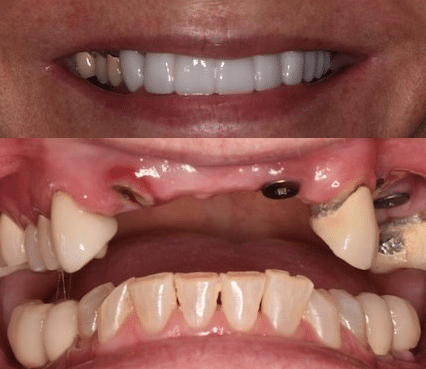
Implant-supported bridges use dental implants instead of natural teeth to anchor the restoration. Dental implants are titanium posts that are placed into the jawbone to act as artificial tooth roots. Once they heal and integrate with the bone, they provide an extremely strong foundation for supporting a dental bridge.

Implant bridges are often recommended when multiple teeth are missing in a row or when the neighboring teeth are not strong enough to support a traditional bridge.

The implant process occurs in stages. First, implants are placed in the jawbone. A healing period follows, typically lasting 3–6 months, during which the implants fuse with the bone. Once healing is complete, the bridge is custom-made and attached to the implants.

Advantages of Implant-Supported Bridges

  • Exceptional durability and long-term strength
  • No need to alter healthy surrounding teeth
  • Preservation of jawbone density
  • Increased stability and comfort
  • A natural look and feel
  • Potential to last a lifetime with proper care

Although implant treatment takes longer, many patients appreciate the longevity and security implants provide.

Why It Is Important to Replace Missing Teeth?

Potential consequences of untreated tooth loss include:

  • Difficulty chewing or biting into certain foods
  • Changes in speech or pronunciation
  • Movement or tilting of surrounding teeth
  • Jawbone loss in the area of missing teeth
  • Increased strain on remaining teeth
  • Facial sagging or premature aging
  • Reduced confidence in social or professional situations

Is a Dental Bridge Right for Me?

  • How many teeth are missing
  • The health of neighboring teeth
  • Gum health and bone support
  • Your bite alignment
  • Your overall oral health
  • Personal preferences regarding treatment timeline and longevity
  • Financial considerations and insurance coverage

Some patients prefer the simplicity of a traditional bridge, while others prioritize the long-term benefits of implant-supported solutions. Dr. DeStefano will explain your options clearly so you can feel confident in your decision.

The Benefits of Choosing a Dental Bridge

Dental bridges offer both cosmetic and functional benefits, including:

  • A complete, natural-looking smile
  • Improved chewing comfort and efficiency
  • Clearer speech
  • Prevention of tooth shifting
  • Better bite alignment
  • Enhanced self-confidence
  • Long-term oral health support

For many patients, restoring missing teeth leads to greater comfort, improved nutrition, and renewed confidence in daily life.

What to Expect During the Dental Bridge Process

Our goal is to make your dental bridge treatment as comfortable and efficient as possible.

The process typically includes:

  • A comprehensive exam and consultation
  • Preparation of the supporting teeth
  • Digital impressions or scans of your smile
  • Placement of a temporary bridge while your final restoration is created
  • Placement and fine-tuning of your permanent bridge

The process includes:

  • Detailed treatment planning and imaging
  • Placement of dental implants
  • A healing period while implants integrate with the bone
  • Design and fabrication of your custom bridge
  • Final placement and bite adjustment

Throughout your treatment, our team prioritizes comfort, precision, and long-term success.

How Long Do Dental Bridges Last?

Traditional bridges can often last 10 years or longer with good care. Implant-supported bridges may last even longer, and dental implants themselves can last a lifetime.

Why Choose DeStefano Dentistry for Dental Bridges?

At DeStefano Dentistry, we believe quality dental care starts with trust, communication, and attention to detail. Dr. DeStefano combines experience in cosmetic and restorative dentistry with modern technology to deliver precise, long-lasting results.

Patients choose our Pittsford, NY, office because we offer:

  • Personalized treatment planning
  • High-quality, custom-crafted restorations
  • A welcoming and relaxed environment
  • Advanced dental technology
  • A compassionate team focused on patient comfort

We take the time to listen to your concerns, explain your options, and ensure you feel confident every step of the way.
Caring for Your Dental Bridge

Proper maintenance is essential to keep your bridge functioning and looking its best.

Helpful care tips include:

  • Brushing twice daily with fluoride toothpaste
  • Flossing daily, including under the bridge using floss threaders or water flossers
  • Avoiding chewing on ice, pens, or other hard objects
  • Attending routine cleanings and dental exams
  • Reporting any discomfort or looseness promptly

Our team will provide personalized care instructions so you feel confident caring for your restoration at home.

Dental Bridges Frequently Asked Questions

Most patients find the dental bridge process very comfortable. Local anesthesia is used during any necessary tooth preparation, and our team takes extra care to keep you relaxed throughout your visit. After treatment, mild sensitivity is possible, but it typically fades quickly.

Traditional dental bridges usually require 2 visits over a few weeks. Implant-supported bridges take longer because dental implants need time to heal and integrate with the jawbone. This healing period often lasts 3–6 months before the final bridge is placed.

Yes. At DeStefano Dentistry, bridges are custom-designed to match the color, shape, and size of your natural teeth. The goal is for your restoration to blend seamlessly into your smile so it looks both natural and balanced.

Dental bridges are designed to be strong and secure. However, they can become loose if supporting teeth develop decay or if gum disease occurs. Maintaining good oral hygiene and attending regular dental visits helps ensure your bridge stays stable and long-lasting.

Cleaning under a bridge is important for gum health. Patients often use floss threaders, interdental brushes, or water flossers to clean beneath the artificial teeth. Our team will show you the best techniques so you can care for your bridge confidently at home.

Each tooth replacement option has benefits. Bridges offer a fixed, natural-looking solution without the removability of dentures. Implant-supported bridges provide the longest-lasting results but require a longer treatment timeline.

Dr. DeStefano will help you compare options and choose what best fits your needs.

Many dental insurance plans provide partial coverage for bridges. Coverage varies based on your provider and plan. Our team is happy to help review benefits and discuss financing options.

Schedule Your Appointment Today!

Dental bridges can restore more than missing teeth. They can restore comfort, function, confidence, and peace of mind. If you are ready to improve your smile and protect your oral health, DeStefano Dentistry is here to help.

During your consultation, Dr. DeStefano will evaluate your smile, discuss your goals, and help you determine the best path forward. Whether you need to replace one tooth or several, our team is committed to creating a result that looks natural and feels secure.

Call DeStefano Dentistry today to schedule your appointment at our Pittsford office and take the first step toward a healthier, more confident smile.